
Common roofing materials, explained
A roof is one of the largest surfaces on a house and one of the first things people notice from the street. When the time comes to talk to a roofer, the conversation usually starts with the material. Here is an overview of the most common options in American homes and what each is generally known for.
Asphalt shingles
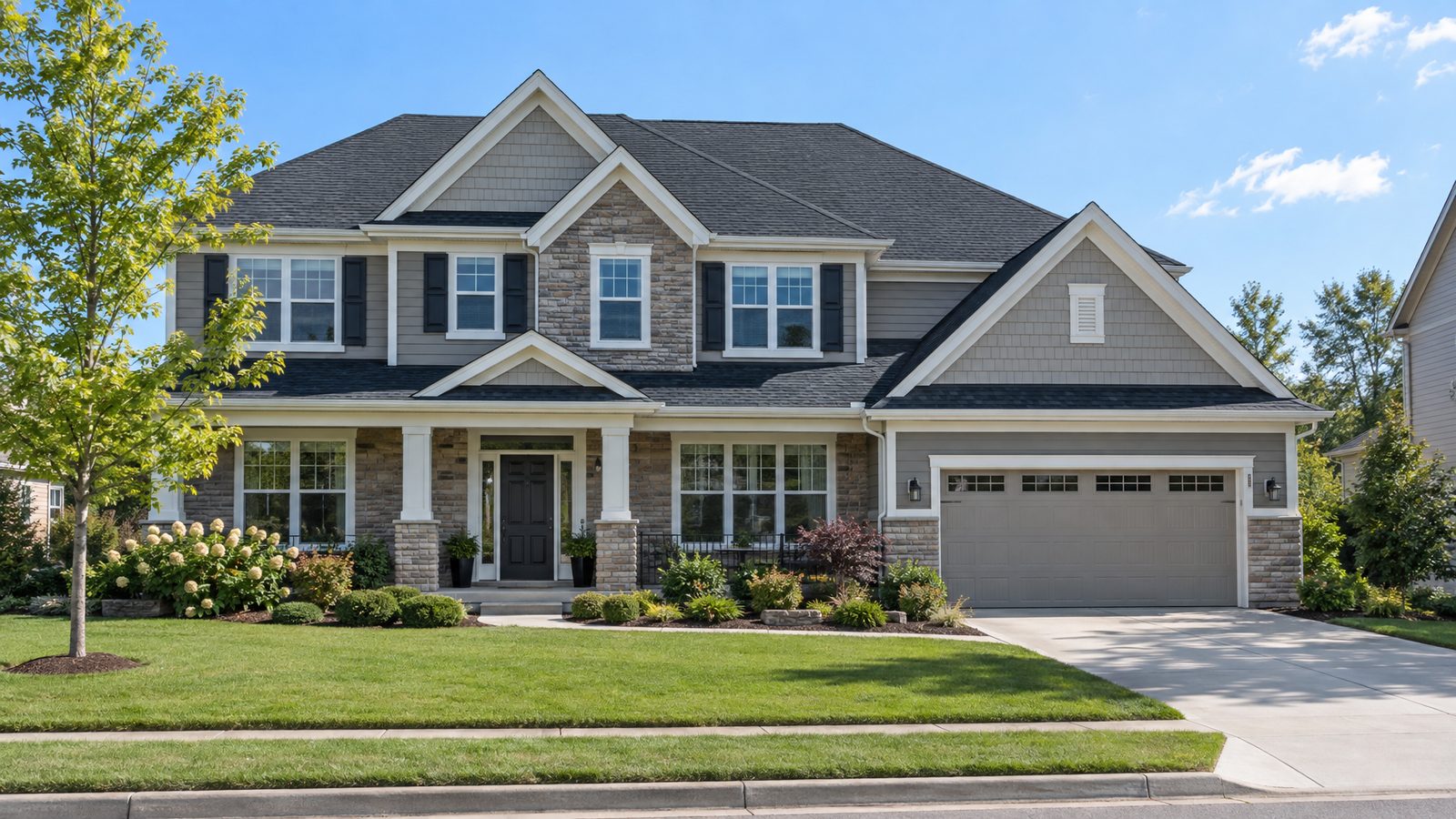
Asphalt shingles are a very common sight on American homes. They come in two broad types. Three-tab shingles are flat and uniform. Architectural (or dimensional) shingles are thicker and layered, which gives the roof more texture and depth. Asphalt shingles come in many colors and are installed by a large number of roofers, which is part of why they are so widespread.
Metal
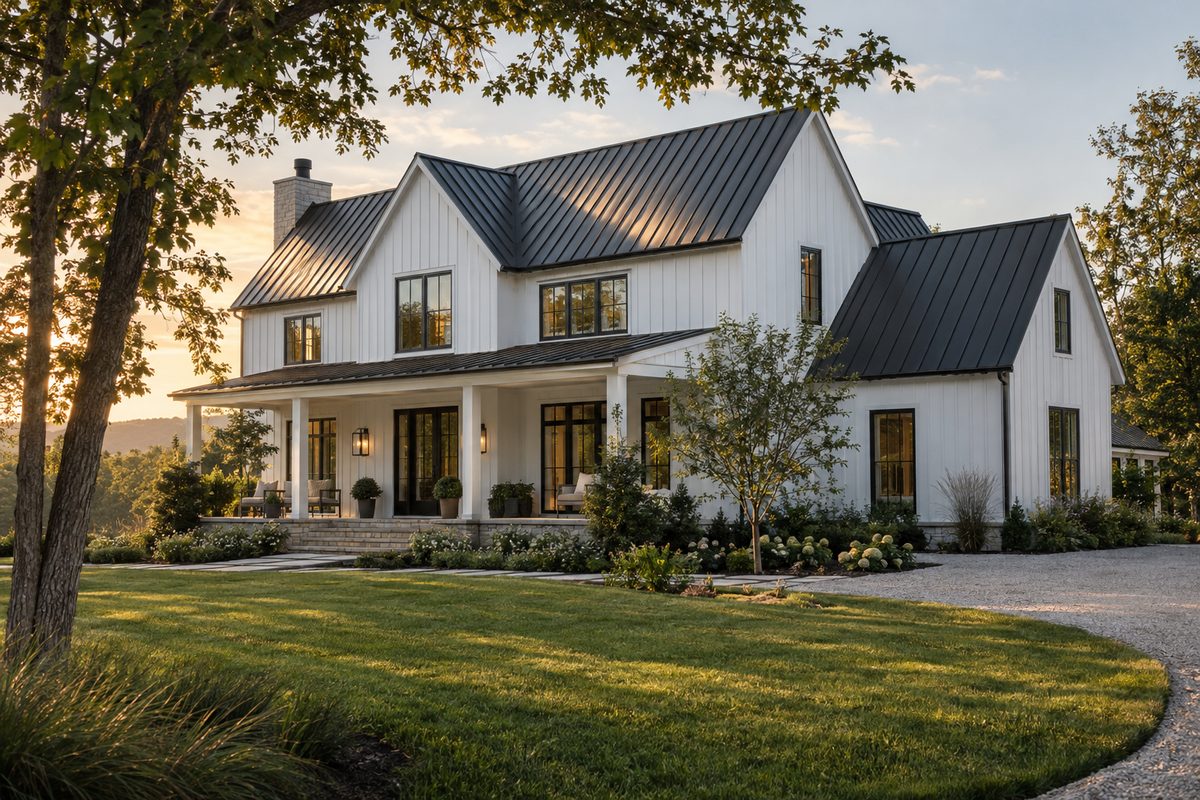
Metal roofing has become more common on homes in recent years. The best-known style is standing seam, where long panels run from the ridge to the eaves with raised seams between them. Metal can also be made to look like shingles, shakes or tile. Metal roofs are known for their clean lines, and they are available in a wide range of colors and finishes.
Clay and concrete tile
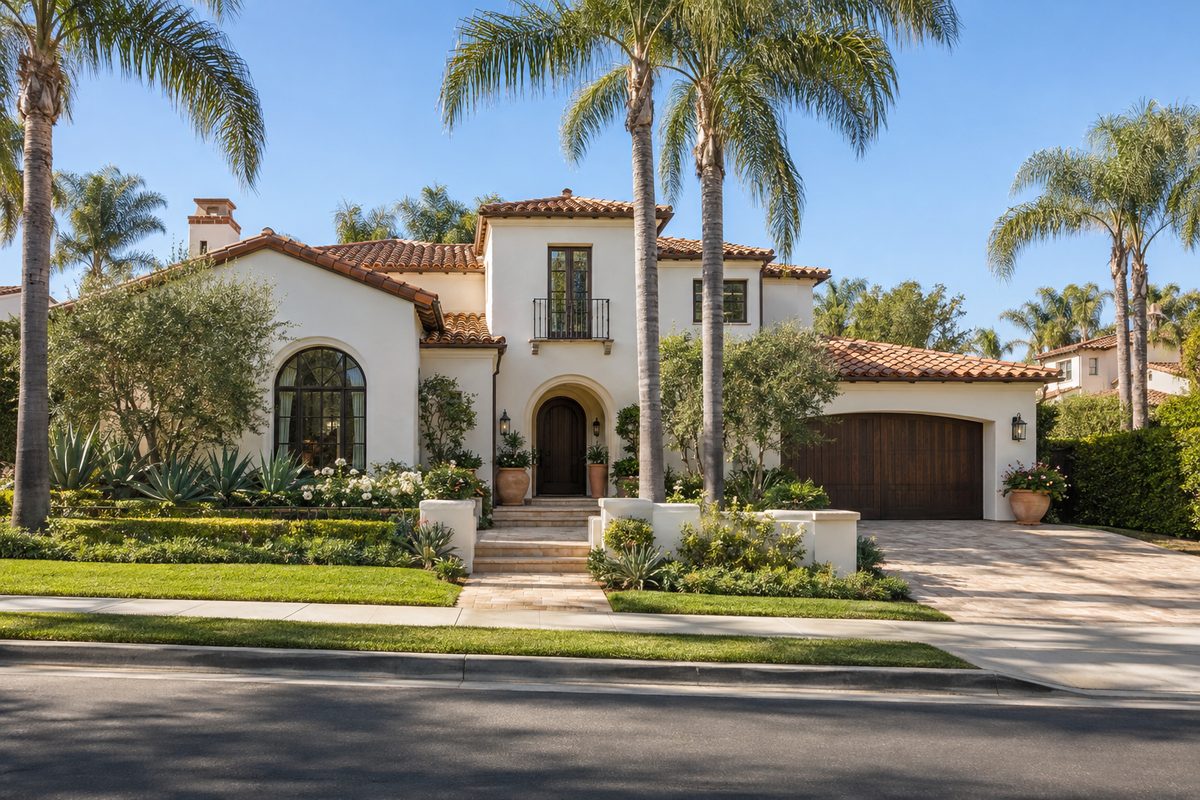
Tile roofs are closely associated with Spanish, Mediterranean and Southwestern styles of home, and they are a familiar sight in warmer parts of the country. Clay tile has a classic terracotta look, while concrete tile can be made in many shapes and colors. Tile is heavy, so a roofer will generally check whether a home's structure is suited to it, especially when switching from a lighter material.
Slate
Natural slate is cut from stone and is prized for its appearance. Like tile, it is heavy, and installing it is specialist work. It is more often found on older or high-end homes.
Wood shakes and shingles
Wood shakes and shingles, often cedar, give a natural, rustic look that weathers over time. Some areas have local rules about wood roofing, so roofers usually check what is allowed before suggesting it.
Synthetic and composite roofing
Synthetic products are made to resemble slate, shake or tile while weighing less. What they are made of, and how they look up close, varies from one manufacturer to another.
The parts of a roof you may see in a quote
- Decking (or sheathing): the boards or panels that form the base of the roof.
- Underlayment: a protective layer installed over the decking, beneath the roofing material.
- Flashing: metal pieces that seal joints and edges, such as around chimneys, skylights and valleys.
- Drip edge: metal trim along the edges of the roof that directs water into the gutters.
- Ridge vents and soffit vents: openings that let air move through the attic.
- Gutters and downspouts: sometimes part of a roofing job, sometimes quoted separately.
What affects the choice
Homeowners and roofers usually weigh several things together: the style of the house, the local climate, the pitch of the roof, how heavy a material the structure can carry, neighborhood or homeowners association rules, and of course budget. Two homes on the same street can end up with different answers.
Repair or replace?
Whether a roof can be repaired or needs replacing is something a roofer assesses during an inspection. Roof inspections are best left to a professional with the right equipment. Many homeowners ask for the inspection findings, and photos where available, in writing along with the quote.
Questions homeowners often ask a roofer
- Which materials do you install, and which do you suggest for this house?
- Will the old roof be removed, and is disposal included?
- What happens if damaged decking is found once the old roof is off?
- Is a permit needed, and who arranges it?
- What warranty comes with the materials, and what covers the workmanship?
General information only, not professional advice. Every home is different. Talk to a licensed professional about your home before making decisions about any work.